
There’s been an enormous amount written about Manchester City’s financial regulations case.
Points deductions, relegation, stripped titles, financial penalties. Almost every possible sporting consequence has been debated at length.
But there’s one aspect of the situation that I think has been largely overlooked.
What happens to the people and businesses who have invested in Manchester City, potentially without knowing anything about the decisions that have brought the club to this point?
An independent commission has found the club guilty of serious breaches of Premier League financial regulations. City maintain their innocence and have appealed those findings.
The process isn’t concluded, and that distinction is important.
But having spent years developing and managing commercial relationships within football clubs, my thoughts have increasingly turned towards two groups.
The commercial partners and the supporters.
An extraordinary commercial network
Whatever your opinion of Manchester City, there’s no denying the extraordinary commercial operation they’ve built.
Over the past 15 years, City have established a global brand and developed an extensive network of international, national, regional and local partners.
It’s an impressive achievement.
And I suspect protecting that network is one of the many reasons why the club will be determined to defend its position through the appeal process.
Because the consequences of serious sanctions could extend well beyond the football pitch.
The brand value Manchester City have developed is closely connected to their success at the very highest level of football.
That’s not to dismiss their history or supporters, but commercially they’re in a different position from institutions such as Manchester United, Liverpool, Real Madrid and Bayern Munich, whose international recognition has been established across generations.
If City were suddenly competing outside the Premier League, potentially several divisions lower, how much of their current commercial proposition would remain?
For businesses paying substantial sums to associate themselves with an elite global football brand, that’s a very serious question.
“We’ve seen different versions of this before with clubs such as Rangers and Juventus. The circumstances aren’t identical, but supporters can end up living with the consequences of decisions taken far above them.”
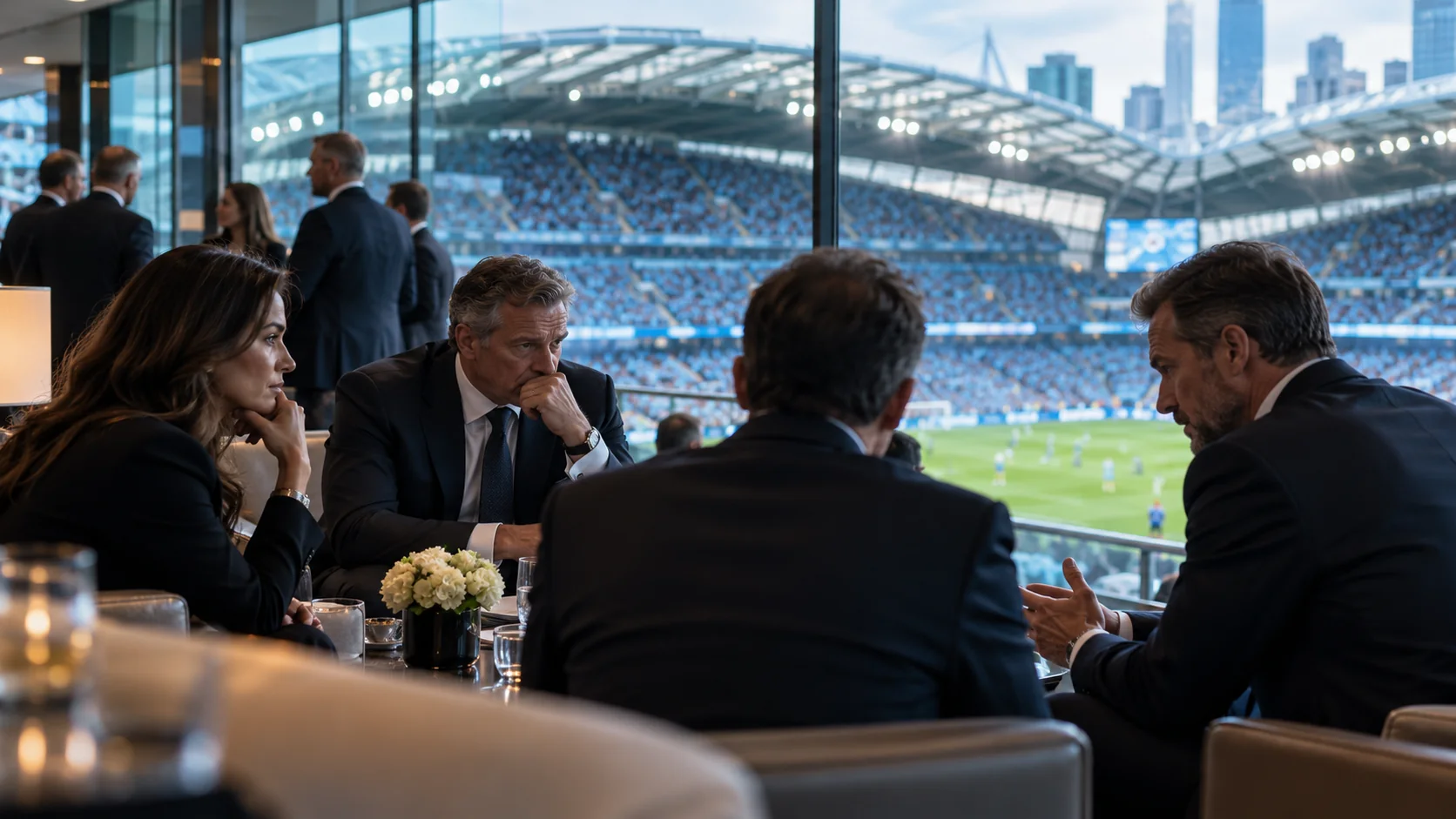
The partners caught in the middle
The commission’s findings include commercial arrangements involving certain sponsors. That distinction matters, and we shouldn’t make assumptions about what individual organisations knew or didn’t know.
But Manchester City’s partner network extends far beyond those arrangements.
Imagine being the chief marketing officer of a major international brand associated with City, having entered what you believed was a legitimate commercial relationship.
You’ve invested significant money, developed campaigns around the partnership and built an association that you expected to deliver value over several years.
Now you’re watching an incredibly public and potentially embarrassing situation unfold.
Your customers are watching it too.
Football supporters can be an unforgiving audience, and the reputational consequences of associating with a football club don’t necessarily stop at that club’s front door.
Of course, every partner’s circumstances will be different.
The length of the agreement, the target audience, the company’s wider football portfolio, its own values and the commercial relationship it has with City will all influence its response.
And we shouldn’t speculate about what any individual partner did or didn’t know.
Some sponsorship agreements contain provisions for relegation or other changes that affect their commercial value. Whether those protections exist within City’s biggest agreements, and to what extent, we simply don’t know.
But I can imagine the people within Manchester City’s commercial department are facing some exceptionally difficult conversations.
They’re responsible for maintaining relationships with CEOs, marketing directors and commercial partners around the world, despite having little control over the underlying legal situation.
If the appeal fails and severe sporting sanctions follow, those conversations could become considerably harder.
The real commercial risk isn’t simply losing sponsors. It’s that the value of being associated with Manchester City could change fundamentally.
And for businesses that entered those relationships in good faith, that would be an incredibly difficult position.
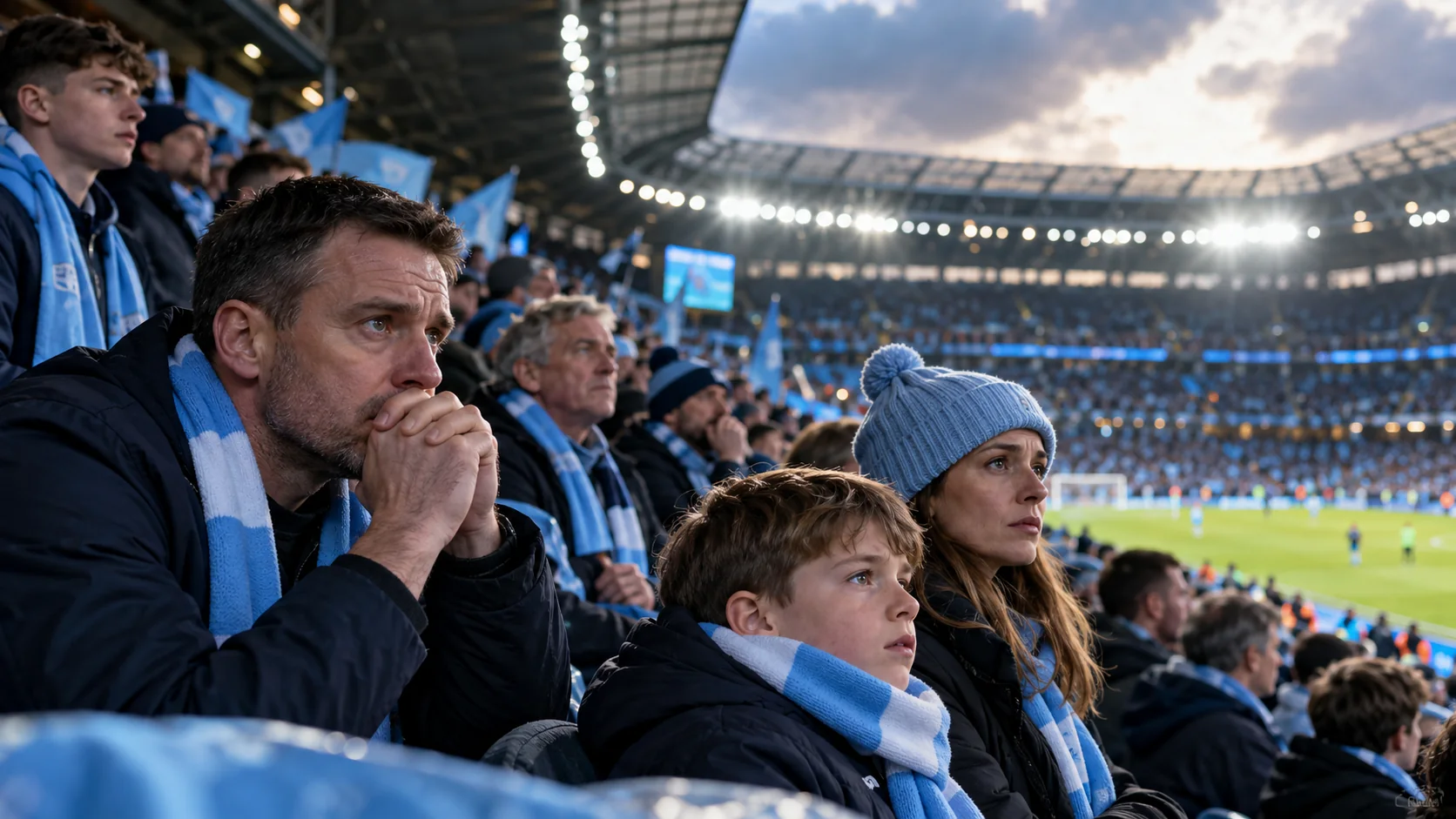
And what about the supporters?
This is the part I think deserves considerably more attention.
There’s an argument, particularly among Manchester City supporters, that football’s financial regulations protect the established elite and make it harder for ambitious clubs to challenge them.
I can understand that argument.
Whether the rules themselves are right or wrong is a perfectly legitimate debate.
But ultimately, if you choose to participate in a competition, you have to operate within its rules.
And if the most serious findings against City are ultimately upheld, supporters will have every reason to question the decisions taken by those entrusted with running their football club.
These are people who have spent years investing their money, time and emotion into following Manchester City.
They haven’t negotiated commercial agreements or made the financial decisions being scrutinised.
Yet they could suffer some of the most significant consequences.
We’ve seen different versions of this before with clubs such as Rangers and Juventus. The circumstances aren’t identical, but supporters can end up living with the consequences of decisions taken far above them.
And there’s a remarkable irony in all of this.
If Manchester City were suddenly playing in League Two, the club would need those same supporters more than ever.
The people who may have been let down would become the people most important to rebuilding the institution.
A football club is bigger than its boardroom
This brings me back to something I’ve increasingly felt about the direction of football.
I worry that at the very top of the game, the balance between commercial success and the fundamental responsibilities of running a football club has shifted too far.
The gulf between the Premier League and the EFL has become enormous, and with that comes a very different relationship between clubs, supporters and communities.
It’s one of the reasons I’m such a strong advocate for meaningful supporter engagement at boardroom level.
That doesn’t necessarily mean giving supporters a seat on the board. But it does mean creating genuine opportunities for their voices to be heard and understood.
Germany offers an interesting comparison through the Bundesliga’s 50+1 ownership model, which generally requires club members to retain the majority of voting rights, limiting the control that external investors can exercise.
It’s not a perfect system, and I’m not necessarily suggesting we should replicate it in English football. But it does demonstrate that a highly successful, commercially valuable football competition can operate while preserving a fundamental level of supporter influence.
And perhaps that’s something we’ve increasingly lost sight of.
Ultimately, most football club directors understand that they’re custodians of something much bigger than themselves.
But I think that responsibility needs to be taken more seriously.
Manchester City’s appeal may succeed. The outcome and any consequences remain uncertain.
But if the findings are upheld, I hope the conversation extends beyond points deductions, relegation and which other clubs might benefit.
Because the businesses that invested in Manchester City and the supporters who have followed the club throughout their lives deserve consideration too.
A football club’s reputation doesn’t belong exclusively to its owners. It belongs to the supporters, partners and communities who have helped build it.
And when that reputation is put at risk, it’s rarely only the people in the boardroom who pay the price.